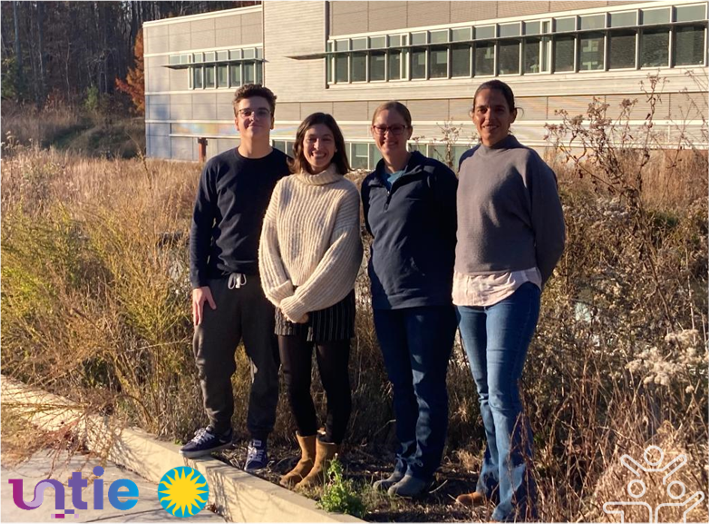
First visit to the Smithsonian Environmental Research Center (SERC)
Last week our team went on a scouting trip to the Smithsonian Environmental Research Center (SERC) in Maryland, USA. There, we did a mesocosm facilities familiarization in order to replicate the ecological effects of trematode’s parasitism on both sides of the Atlantic Ocean. The western side (Chesapeake Bay) and eastern side (Ria de Aveiro). Together, we will study how parasitism is linked to ecosystem changes and functioning. The UNTIE team thanks the Smithsonian for having us and Dr. Katrina Lohan for agreeing to work with us. We loved meeting everyone!
Follow-up visit by the Luso-American Development Foundation (FLAD)
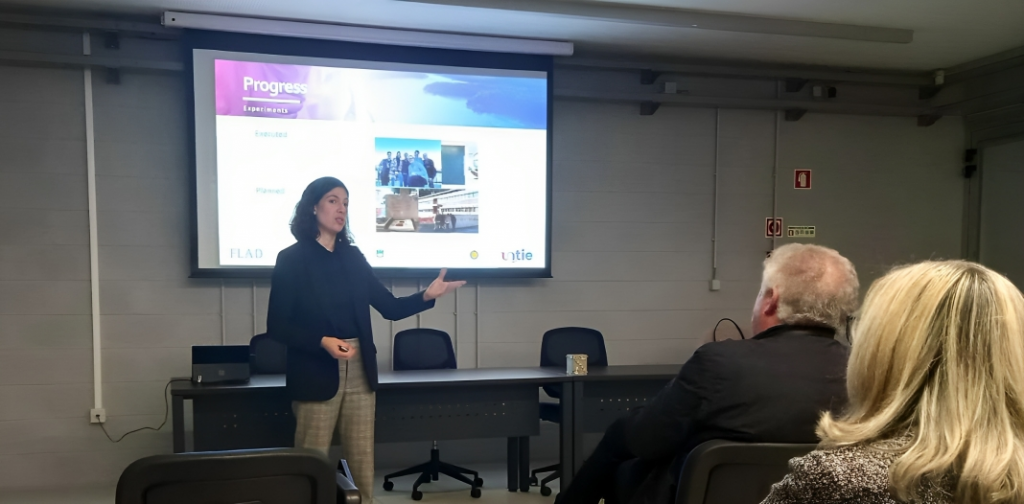
Yesterday, November 27, a delegation from the Luso-American Development Foundation (FLAD) visited CESAM-ECOMARE to attend a presentation on the progress of the activities of the UNTIE project - UNravelling the role of emerging parasitic diseases in the structure and function of coastal communities and ecosystems, coordinated by Dr. Luísa Magalhães, winner of the Science Award Atlantic 2022.
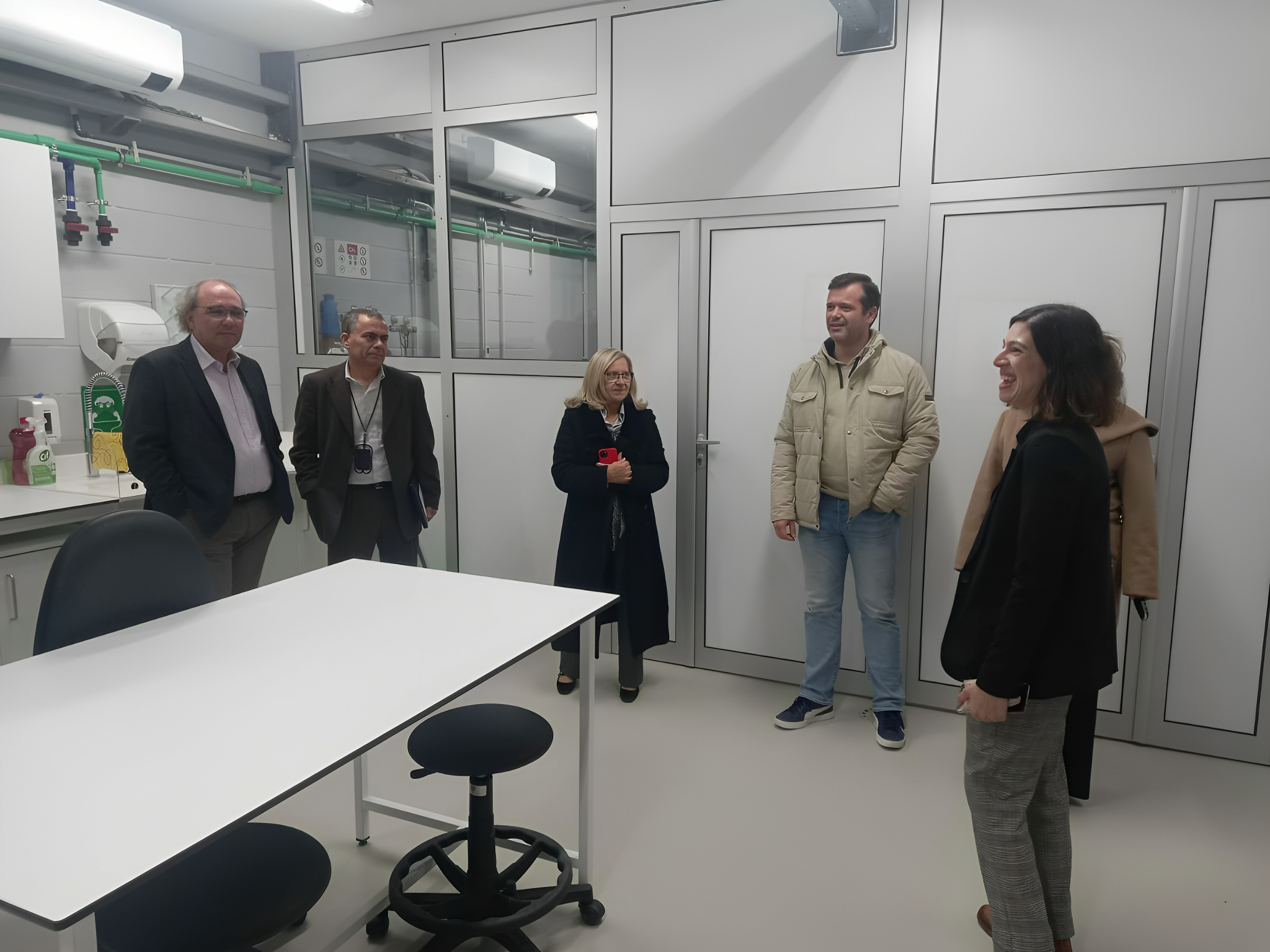
The visit was attended by Prof. Elsa Henriques (FLAD Executive Board) and the members of the award jury, namely Prof. Miguel Miranda. Institutional support was provided by Prof. Artur Silva (Vice-Rector of the UA), Dr. Ricardo Calado (Director of CEPAM-ECOMARE) and Prof. Amadeu Soares (coordinator of CESAM), among other members of our academy.
Start of practical activities and collaboration with the Smithsonian Environmental Research Center (SERC)
Yesterday, Gabriel, our Master’s student in Applied Biology, arrived at the Smithsonian Environmental Research Center (SERC; Maryland) to carry out some of the project’s experiments. Thus beginning our collaboration with @SERCDiseaseEco. Good luck!
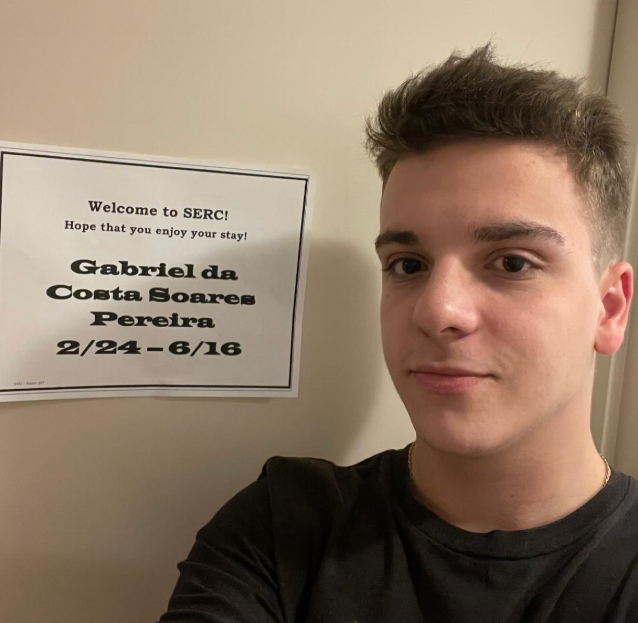
Beginning of the experiments (Chesapeake Bay, USA)
We are pleased to announce that the initial phase of our mesocosm experiment has begun in the wet lab. At the moment, our experimental units are stabilizing/cycling and awaiting for bivalve sampling in the Rhode River.
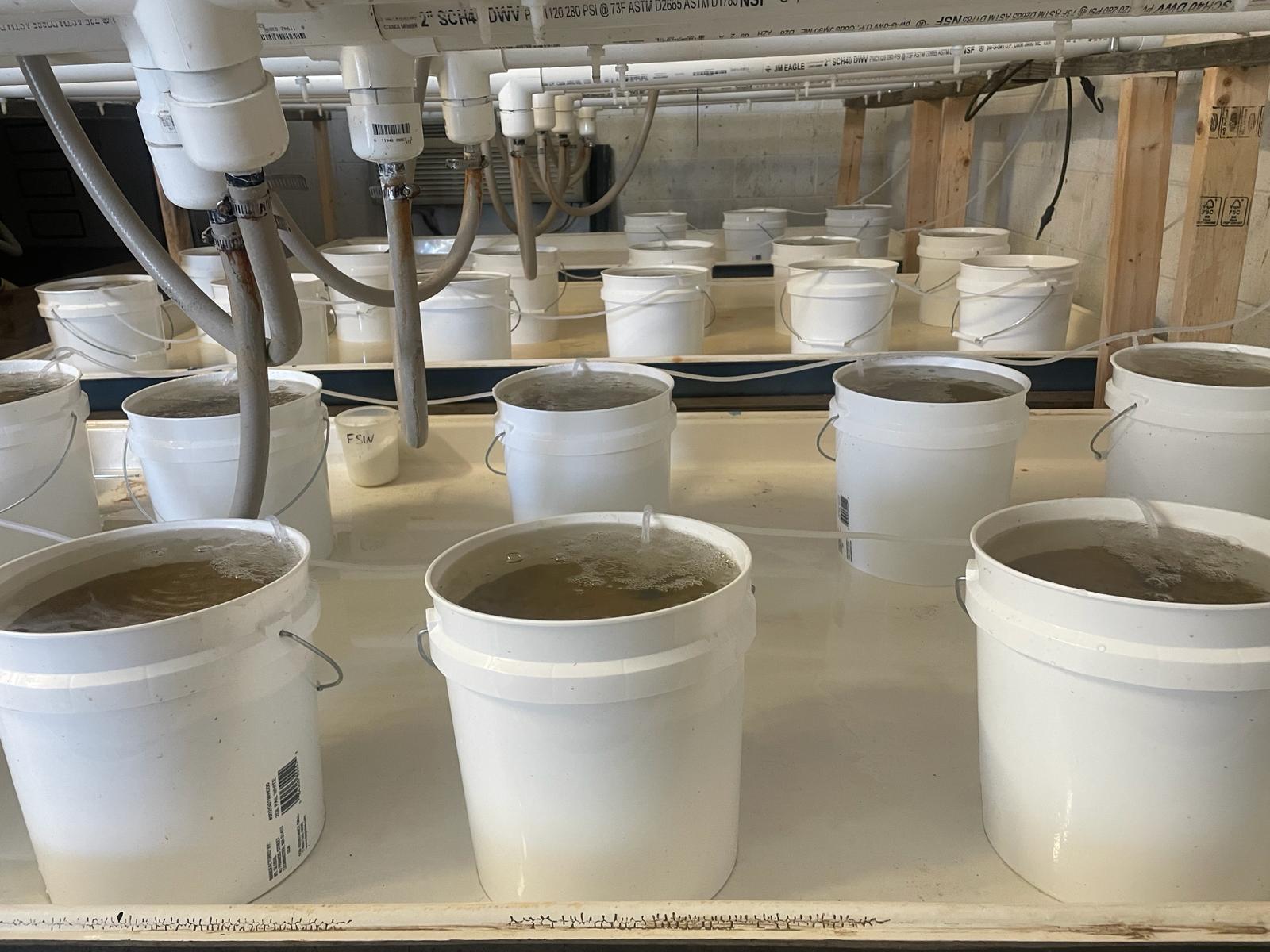
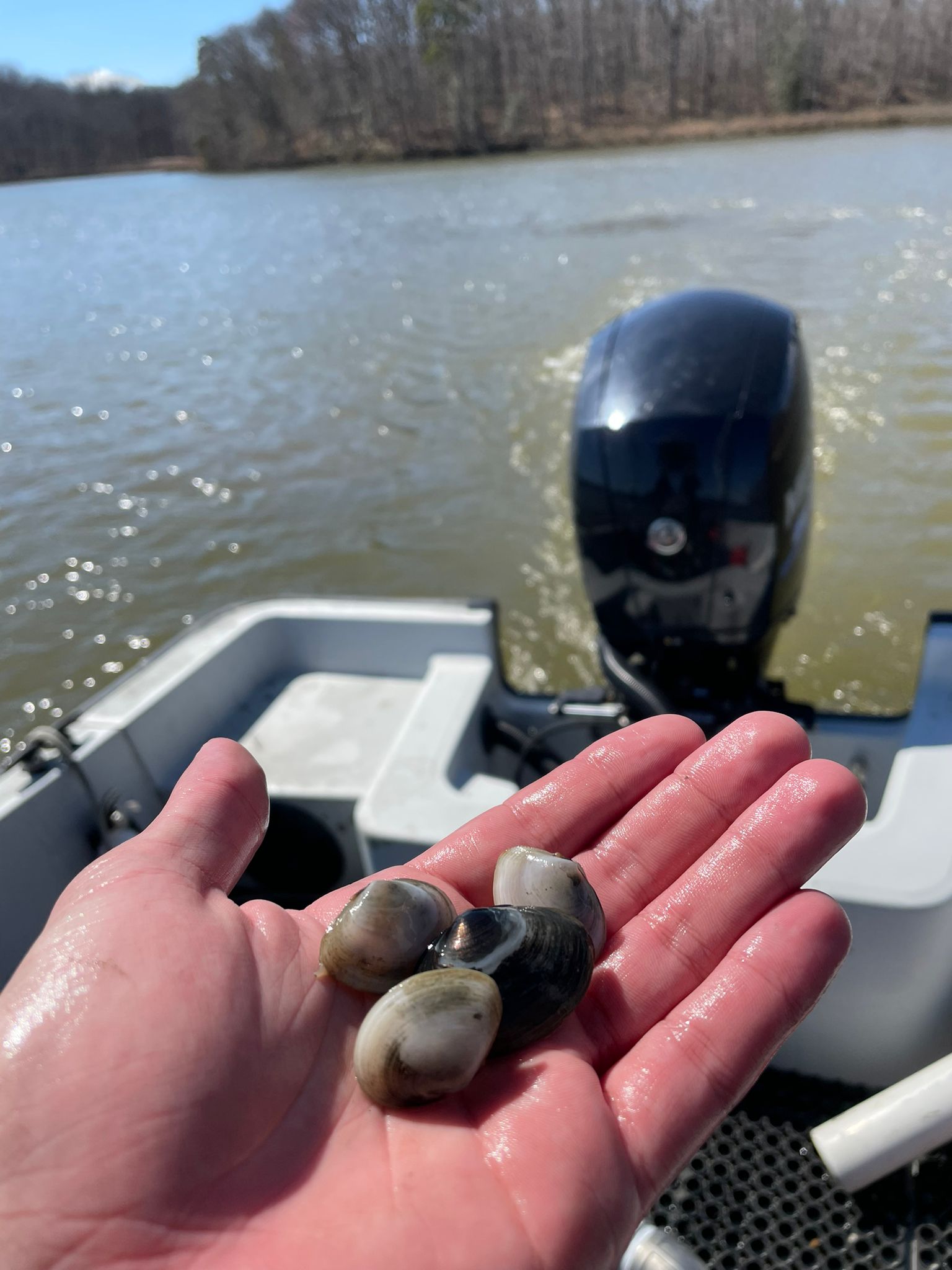
Bivalve sampling in the Rhode River (Chesapeake Bay, USA)
This week, we did some clamming in Rhode River’s Muddy Creek (Chesapeake Bay). There, we sampled several bivalves (Macoma clams) to introduce them to our mesoscoms system. Despite being very windy and muddy, the mission was completed! We are using this biological model to assess the effects of parasites on the Western Atlantic Coast
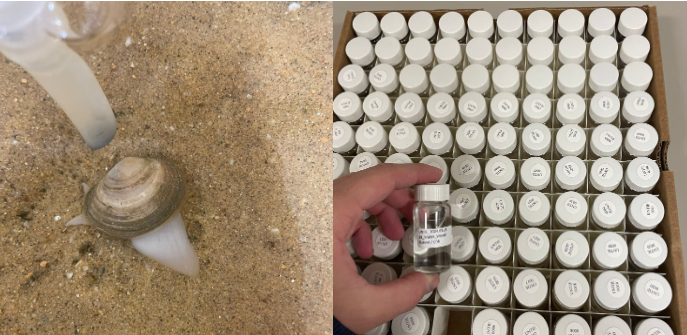
First sampling of the mesocosm experiment (Chesapeake Bay, USA)
Our first sampling of the mesocosm experiment was great, it looks like our clams are getting used to their new home and starting off on the right foot. We’ll measure the nutrients deposited by the clams each week to see if infection impacts their functional role in the ecosystem.
Bivalve sampling in the Ria de Aveiro (Aveiro, Portugal)
Today we collected cockles (Cerastoderma edule) from the Ria de Aveiro to introduce them to our mesoscoms system. We are using this biological model to assess the effects of parasites on the eastern Atlantic Coast. We expect to be able to compare our results and the effects observed with the experiments taking place at SERC, on the western side of the Atlantic Ocean, fulfilling the project’s mission.
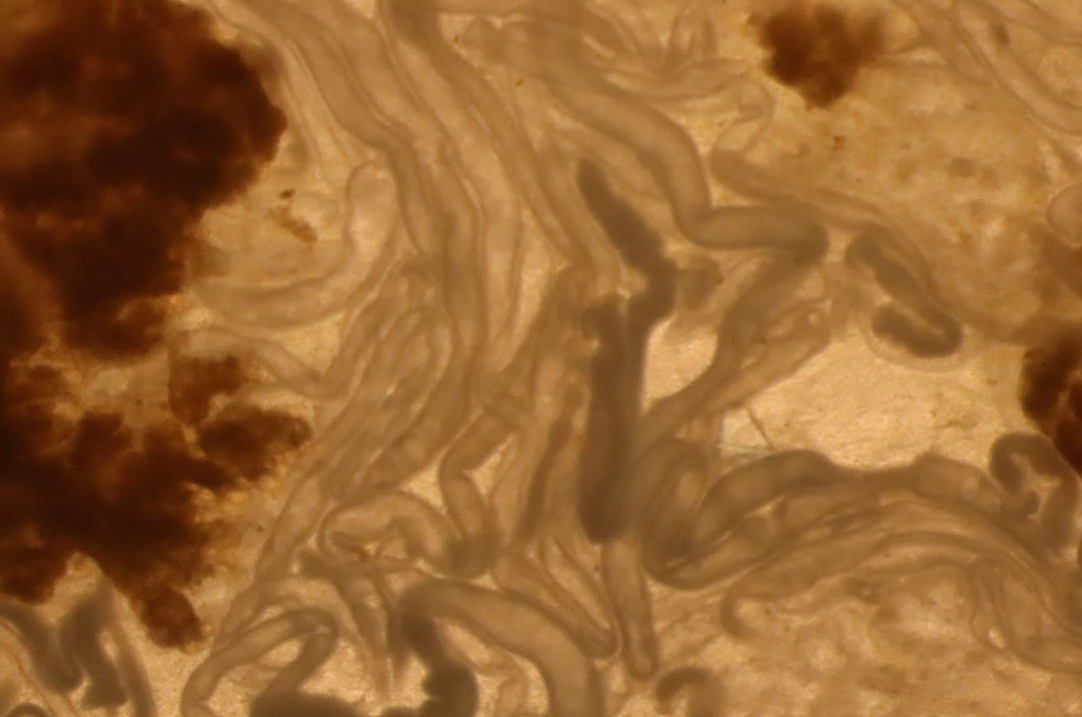
Sporocysts in our clams from the Rhode River (Chesapeake, USA)
During the dissection of one of the organisms from the experiment at SERC (@SERCDiseaseEco), we found dozens and probably hundreds of sporocysts, poor clam, good for us!
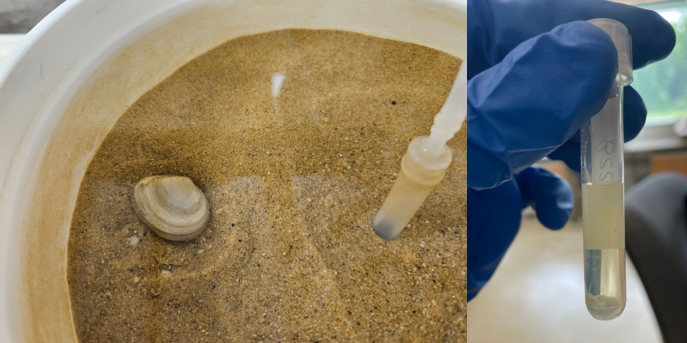
End of experiment at SERC (Chesapeake, USA)
On the final week of our mesocosms experiment, all clams were dissected to check for trematodes. We are also using RFTM assays to check the tissue samples for Perkinsus parasites.
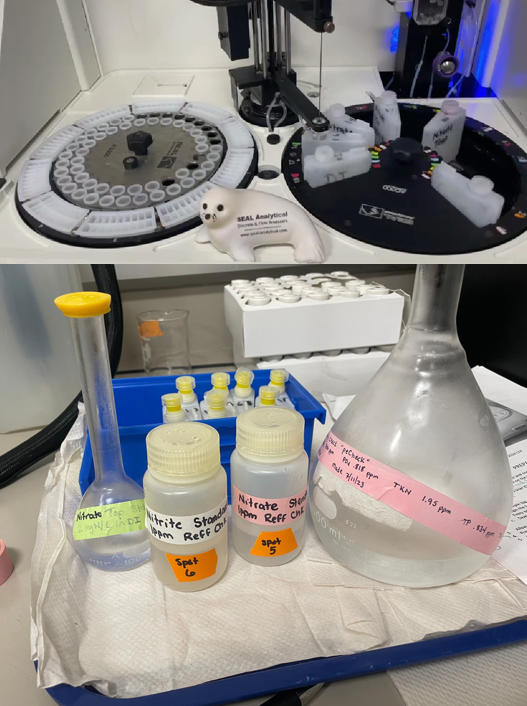
Samples processing (Chesapeake, USA)
We’re currently in full gear to analyze our water samples that we’ve collected throughout our long-term experiment at the @SERCDiseaseEco wetlab. The main parameters under study are nutrients from the nitrogen cycle, we are also analyzing the organic matter present in the water using a spectrometer, as a proxy for the carbon cycle.
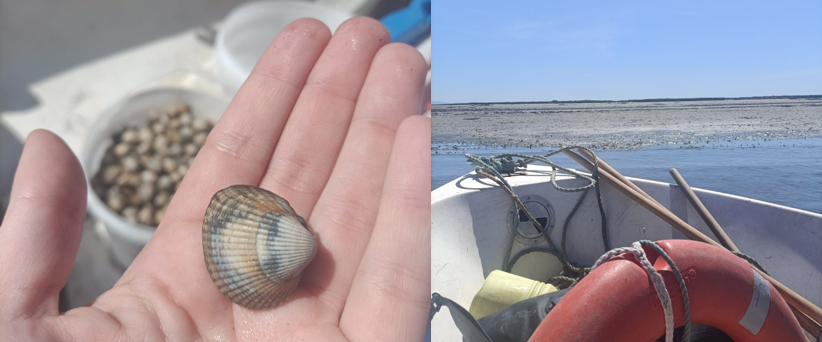
Cerastoderma edule sampling in Ria de Aveiro (Aveiro, Portugal)
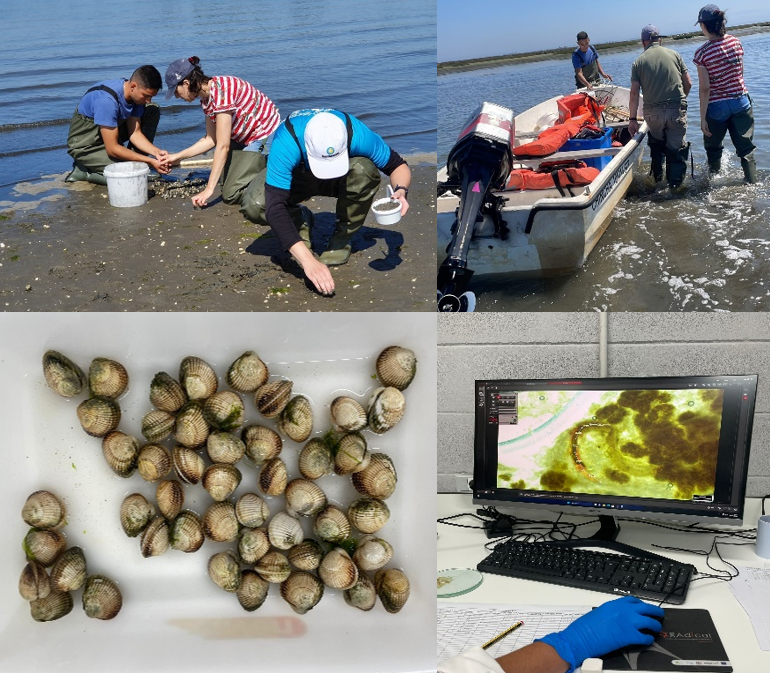
In the last few weeks, we examined hundreds of cockles (Cerastoderma edule) from various regions within the Ria de Aveiro coastal lagoon. This sampling campaign aimed to assess changes in the prevalence of parasites, targeting species such as Mytilicola spp. The collected data will serve as a foundational baseline as we prepare for our upcoming mesocosm experiment under the UNTIE project.
Oysters dissection from Ria de Aveiro’s sites (Aveiro, Portugal)
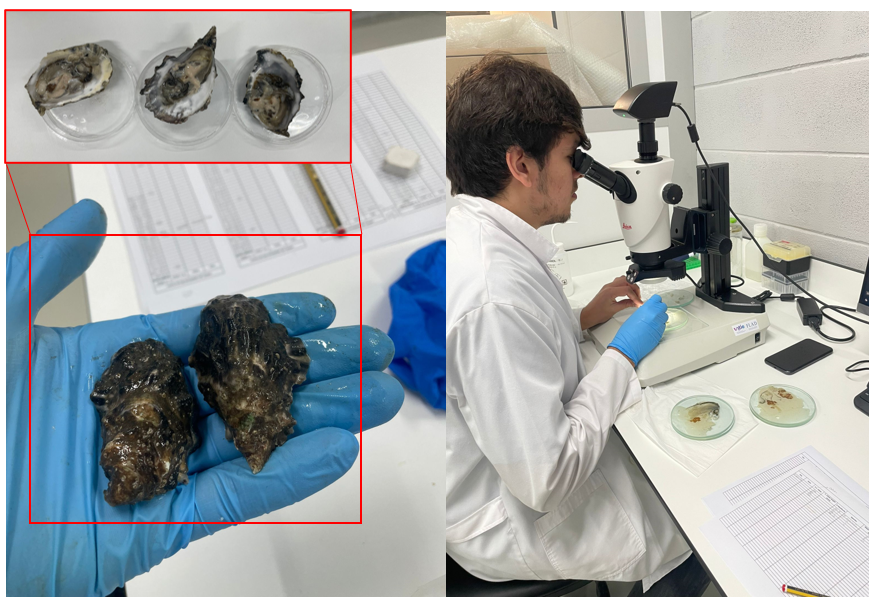
Over the last few weeks we’ve been dissecting oysters to check the prevalence of parasites such as Mytilicola spp. in different locations in the Ria de Aveiro. We’ll compare these results with those from the previous cockle campaign.
Mesocosms system assembly (Aveiro, Portugal)
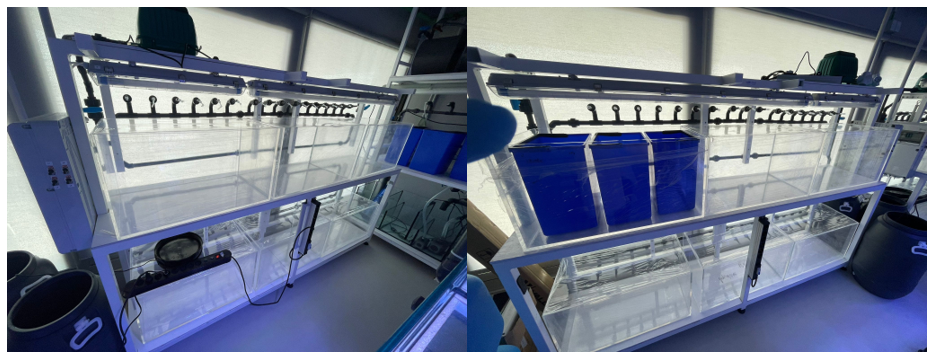
Some parts of our mescosmos system have already arrived at ECOMARE and we hope to start our long-term experiment with cockles soon. Our aim is to use these acrylics to make a water bath for the experimental units (blue container), and we will also use a chillers to keep the water temperature cold.
Long-term monthly campaign (Aveiro, Portugal)
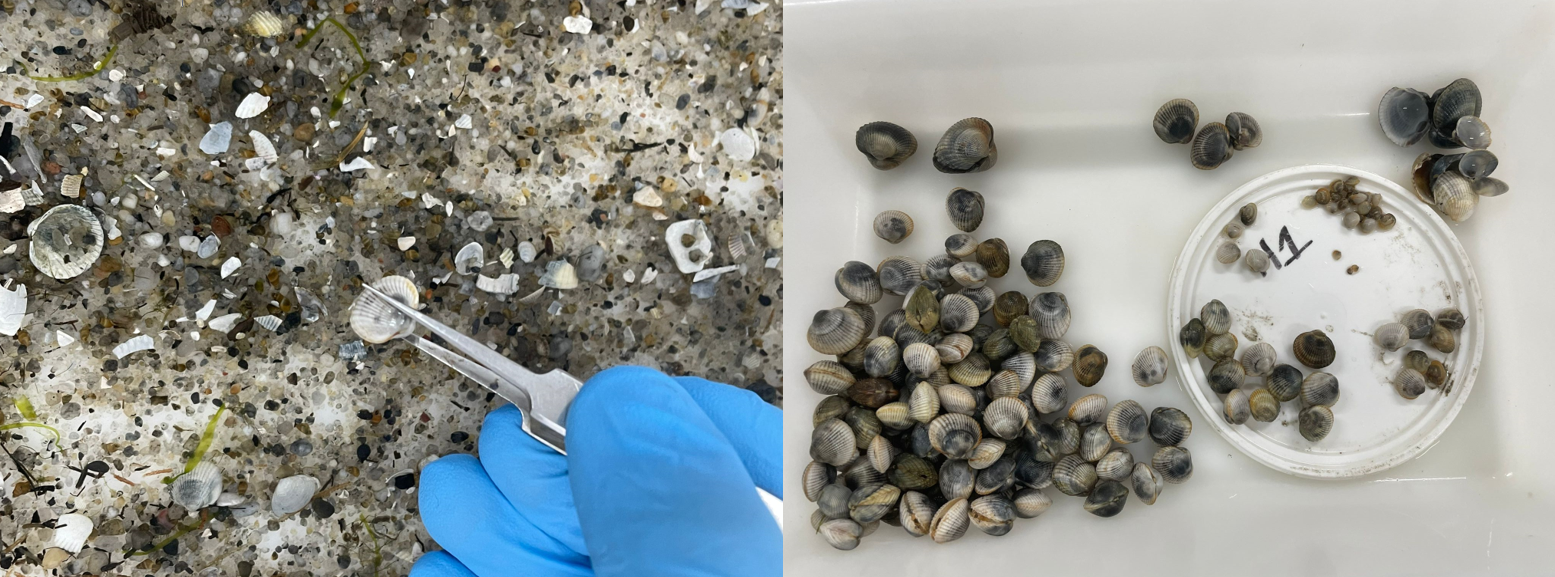
Yesterday, our team concluded another monthly campaign to analyze the recruitment of cockles in Ria de Aveiro (coastal lagoon). We quantified and measured cockles from various transects. We also analyze and quantify parasites. This work is part of our coordinator’s (@LVSMagalhaes) long-term monitoring, which has been carried out monthly for the last 10 years.
1st Joint Conference of the Spanish-Portuguese Branches of the European Association of Fish Pathologists (EAFP) (Vigo, Spain)
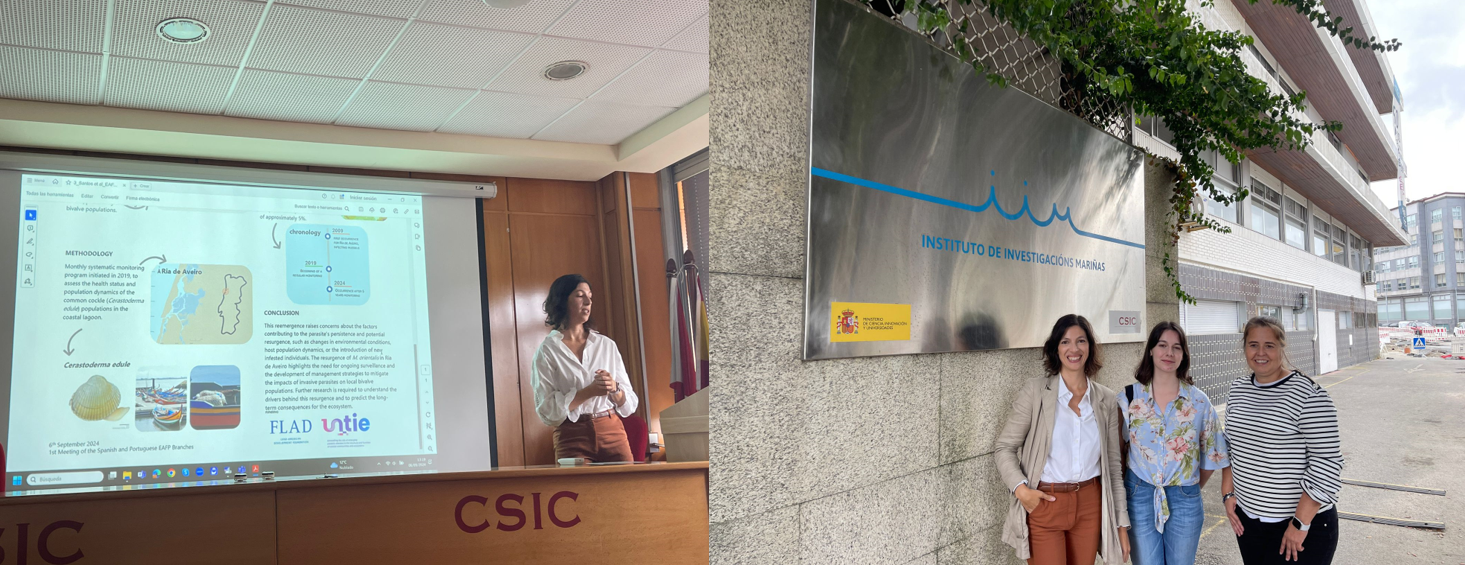
Recently, our PI Luísa Magalhães went to Vigo, Spain, to take part in the 1st Joint Conference of the Spanish-Portuguese Branches of the European Association of Fish Pathologists (EAFP). There, she presented some of the results of our Mytilicola spp. campaign that was carried out a few months ago at various sites in the Ria de Aveiro.
Mesocosms system assembly (Aveiro, Portugal)
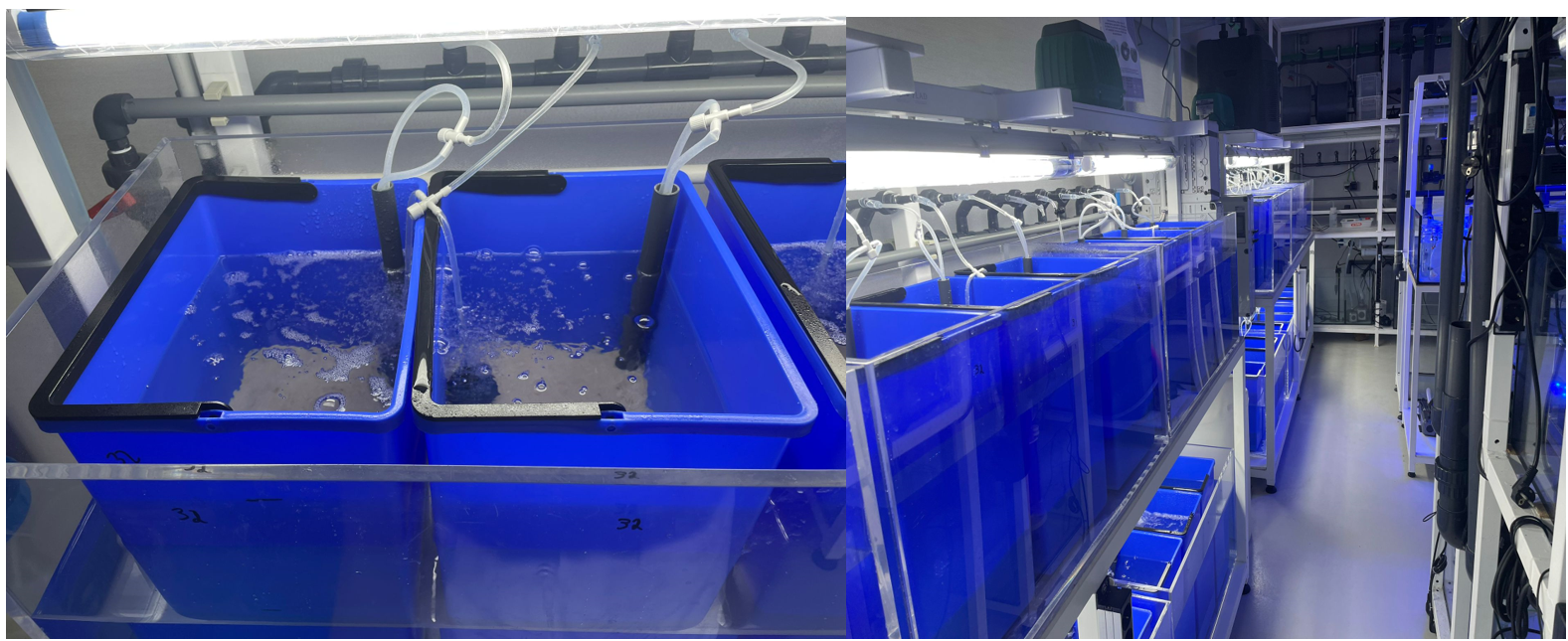
Our chillers for our water baths have arrived at ECOMARE. This way, we can keep our cockles in a nice, cold environment. The species we’re using, Cerastoderma edule, prefers water temperatures between 16-18ºC. Now we’re almost ready for the mesocosm experiment.
Multiple bivalves dissection from Ria de Aveiro’s sites (Aveiro, Portugal)
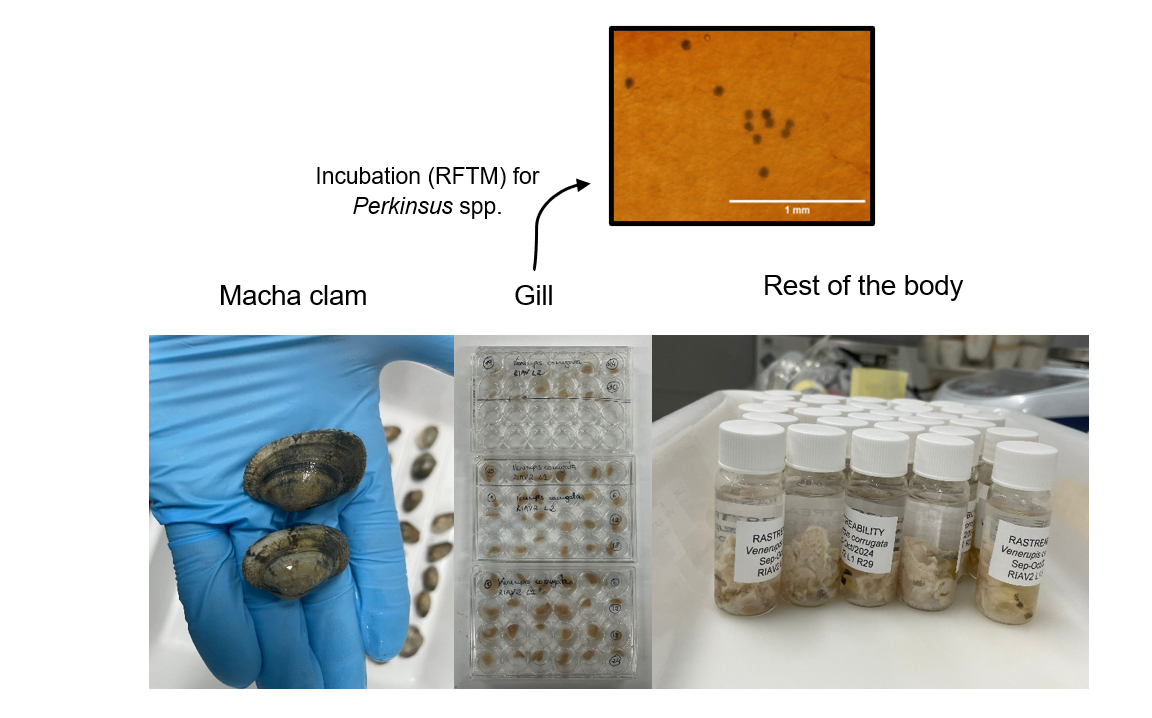
Over the last week, we’ve been dissecting several bivalves from the Ria de Aveiro, including: Cerastoderma edule, Venerupis corrugata, Venerupis philippinarum and Spisula solida for RFTM assay (for Perkinsus spp.) and parasite prevalence to provide a global approach to the health of bivalves in the Ria de Aveiro.
Mega-campaign to assess the state of health of bivalves in the Ria de Aveiro (Aveiro, Portugal)
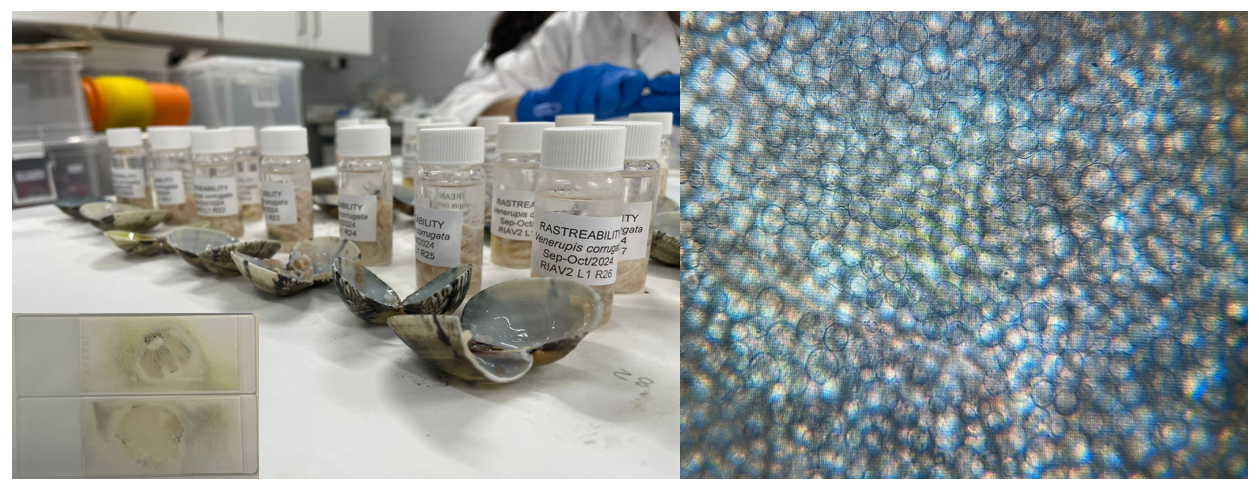
After weeks of work, our mega-campaign to assess the state of health of the bivalves in the Ria de Aveiro has come to an end. In total, more than 1000 samples of bivalves from multiple species (native and invasive) were dissected/incubated for parasite analysis. All the samples were incubated in RFTM to assess the growth of Perkinsus spp. cells. We would like to thank the ECOMARE staff for their help with the dissections and for printing of thousands of labels.
Fuctional trematode life cycle in the laboratory (Aveiro, Portugal)
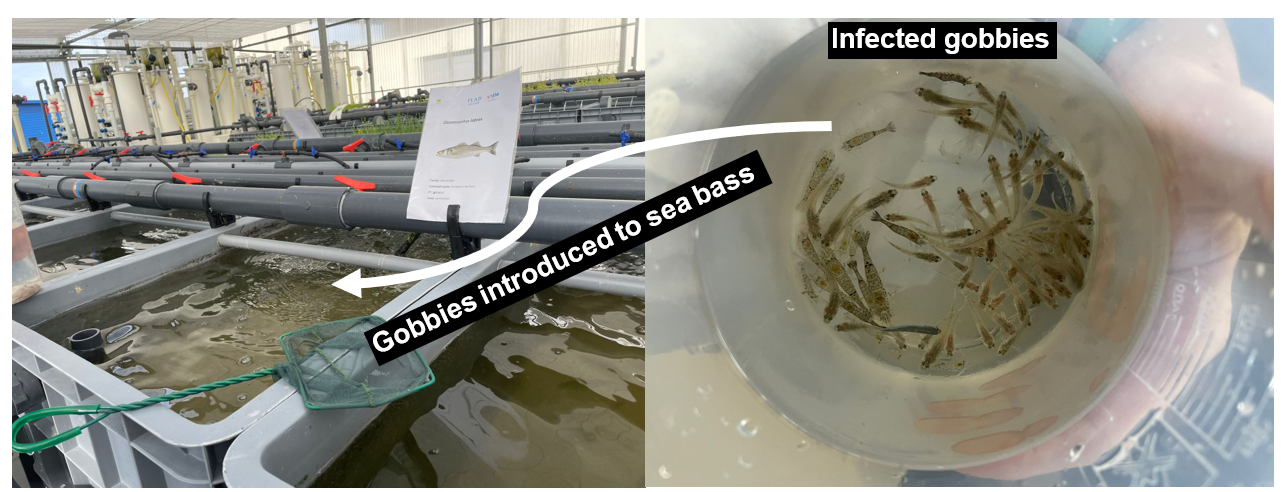
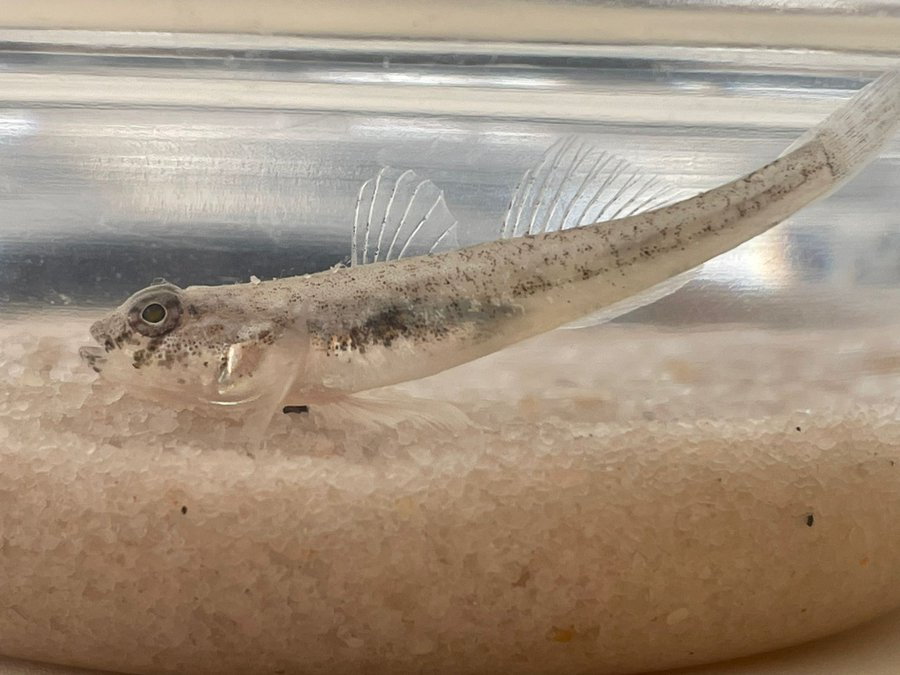
Our team is trying to create a functional life cycle of trematodes in the laboratory. Firstly, we dissected several cockles collected in the field (Ria de Aveiro). After finding the parasite of interest (Bucephalus minimus), we feed the gobby fish cockle’s infected tissue and, after a few weeks, confirming the infection, we feed the gobbies to Sea bass in the hope of obtaining adult trematodes, restarting the cycle.
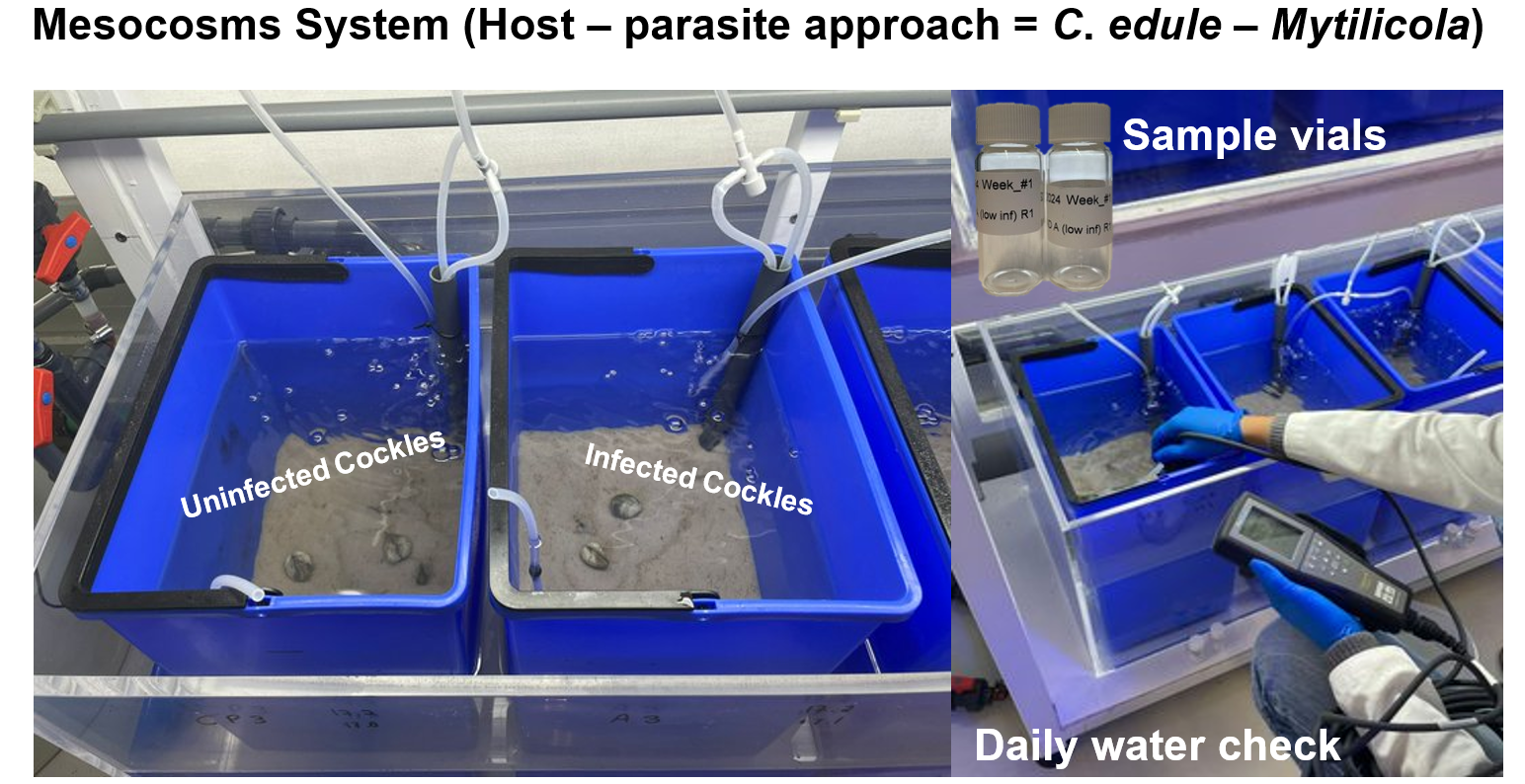
First sampling of the mesocosm experiment (Ria de Aveiro, Portugal)
Today was sampling day for our mesocosm experiment with cockles parasitised by Mytilicola. The experiment has now been running for a week. We will be taking weekly samples of water and interstitial water to analyse how the parasites can impact the bioturbation activity of the cockles and possible consequences for the flow of nutrients between these matrices. In this way, we will be able to know how trematodes can impact the functioning of coastal ecosystems.
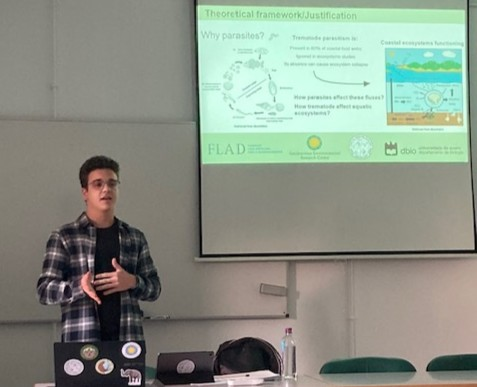
Thesis defense of our Master’s Student Gabriel Pereira (Aveiro, Portugal)
A few weeks ago our Master’s student, Gabriel Pereira, successfully defended his dissertation entitled “ASSESSING THE IMPACT OF TREMATODE PARASITES ON COASTAL ECOSYSTEMS”. He had 20 minutes for his presentation, followed by another hour of questions from an external examiner specialized in bivalve parasites, Dr. Anabelle Dairain. Congratulations!
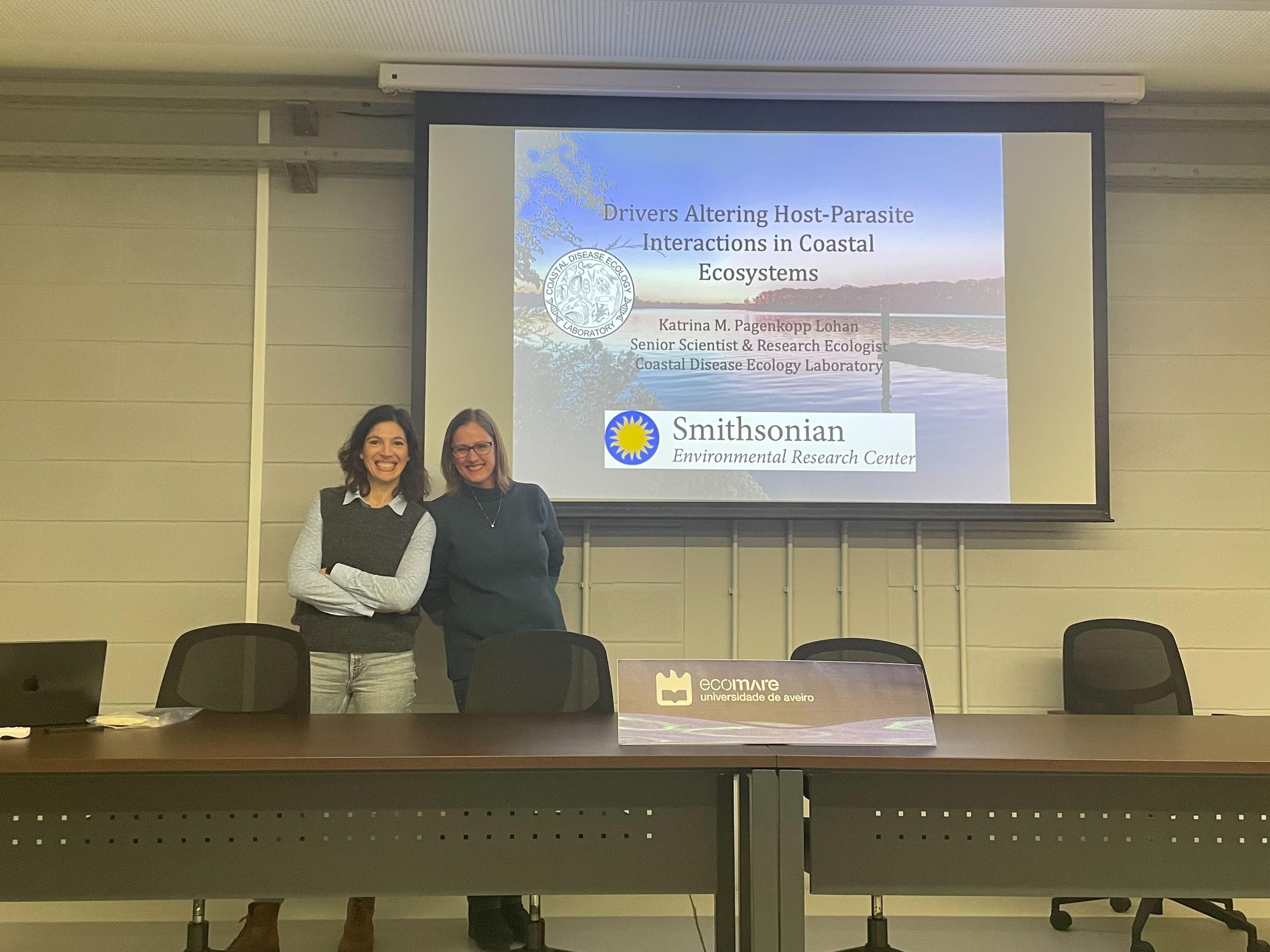
Dr. Katrina Lohan, head of the Coastal Disease Ecology Lab. at ECOMARE (Aveiro, Portugal)
A few weeks ago, our partner from the American branch of the UNTIE project came to Portugal to be part of the jury for our student Gabriel Pereira’s master’s defense, to see our facilities and to give a wonderful presentation about parasites. We would like to thank (again) Katrina Lohan for agreeing to do this very important collaboration between ecosystems on different sides of the Atlantic Ocean. Thank you for visiting us and we hope you enjoyed your stay in Portugal!
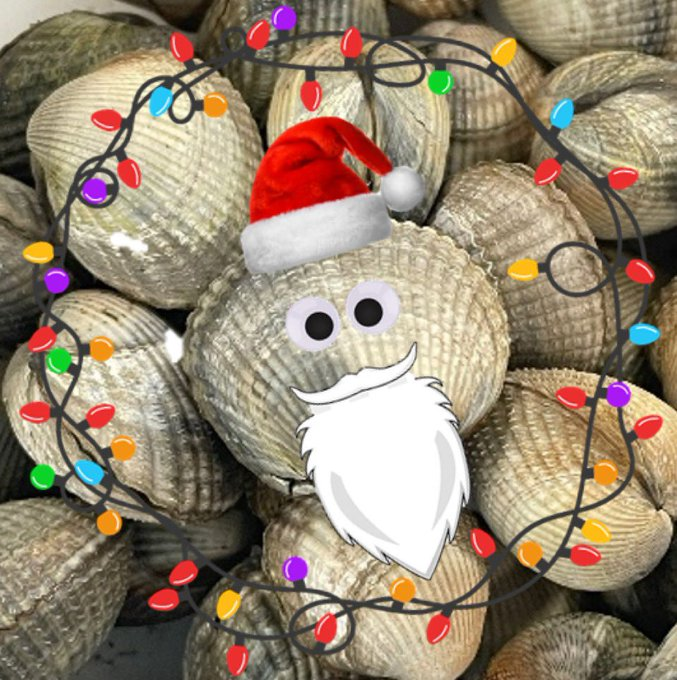
Merry Christmas and Happy New Year! :D
Our Santa Cockle is back! One year after launching the project, we couldn’t be more thrilled with what we’ve accomplished. Here’s to even greater things in #2025! Merry Christmas from the UNTIE team, and happy holidays to all.
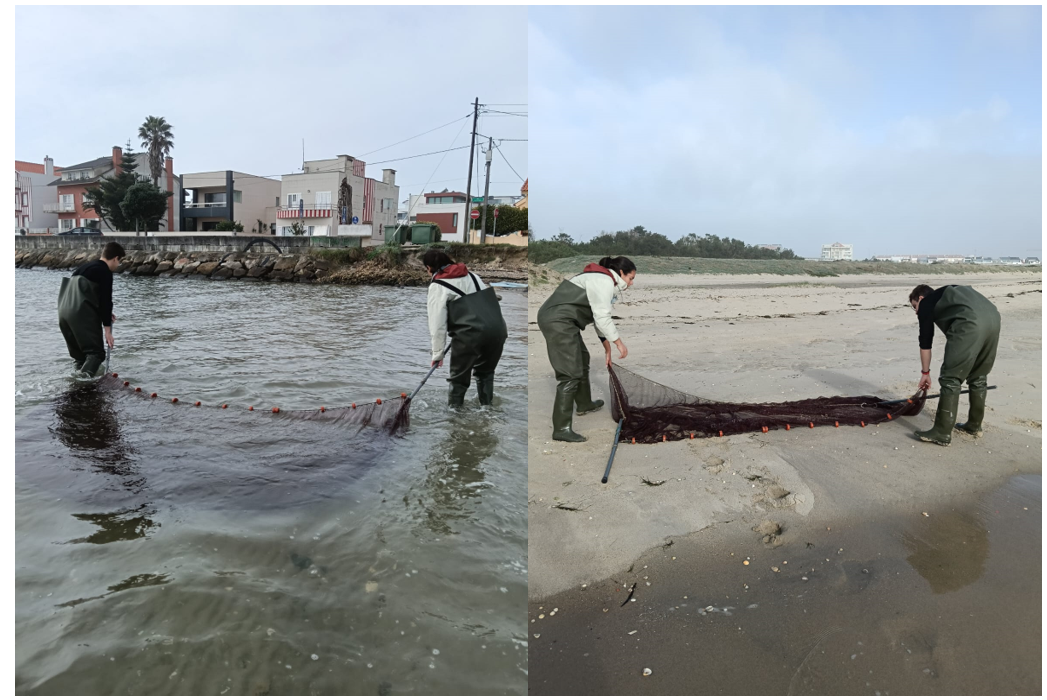
Shrimp Sampling (Ria de Aveiro, Portugal)
Starting 2025 the right way, today we tried to catch shrimp to assess the prevalence of parasites. We aim of trying to create an experimental group of infected shrimp and compare them with healthy shrimp. Various parameters could be evaluated, such as behavior and even camouflage success through chromatophore activity. We didn’t have much success, but at least we went to the beach! There’s more next week, so stay tuned on our X (Twitter) account!
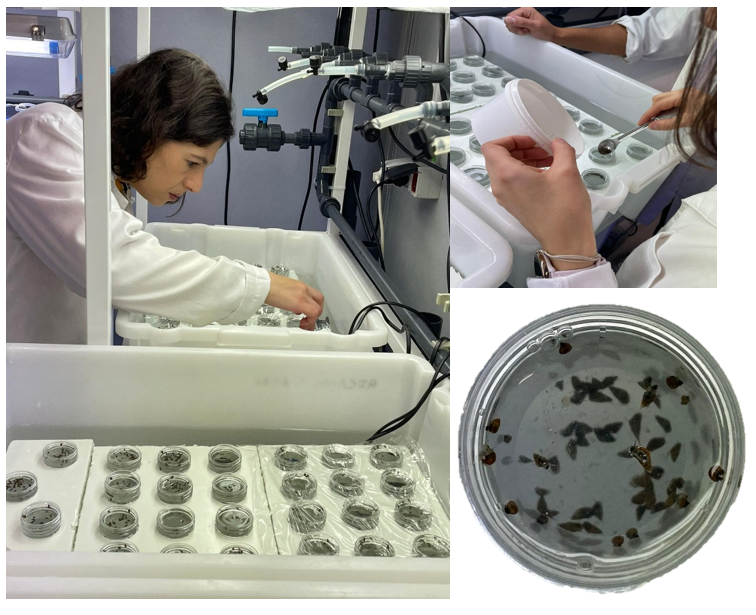
Snails Cercariae Emission (Ria de Aveiro, Portugal)
This week, our aim is to obtain cercariae from Hydrobia spp. and Littorina littorea snails. To induce emission, we subject the snails to a temperature shock using water baths and then monitor the release of cercariae. These snails act as first hosts for trematodes, so if we get cercariae, we can identify parasite species by morphology and even try to artificially infect second intermediate hosts.
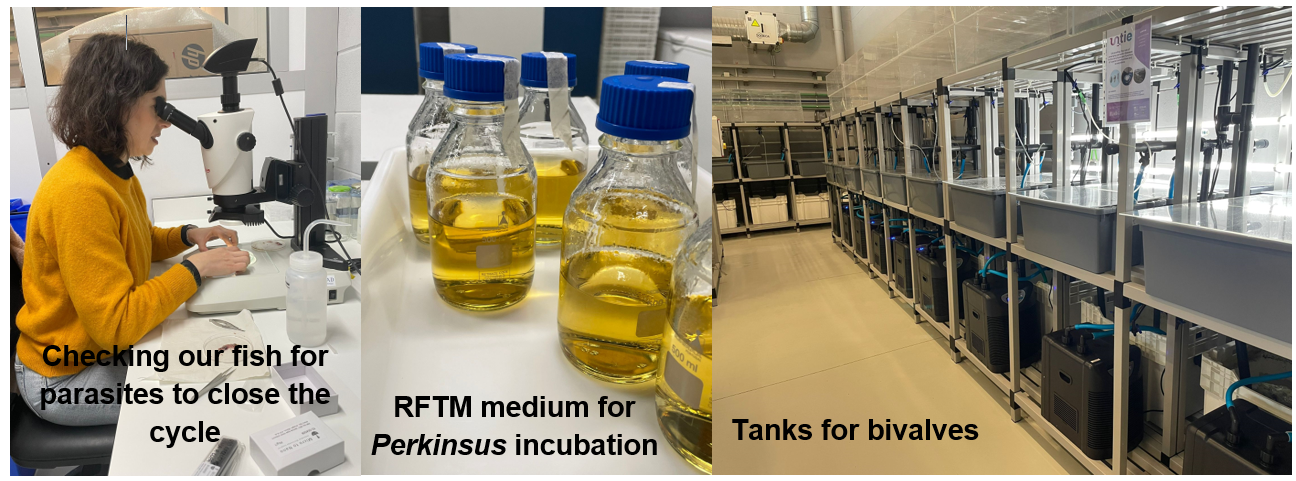
Preparing for Mega-campaign 2.0 to assess the state of health of bivalves in the Ria de Aveiro + eDNA (Aveiro, Portugal)
Over the last few weeks, we’ve been working hard to get ready for the Mega-campain 2.0! We’ll be repeating our bivalve sampling of various species from last year in multiple sites in the Ria de Aveiro, but now evaluating eDNA, broadening the range of outputs of the project.
End of the Mega-campaign 2.0 (Aveiro, Portugal)
We disappeared, but we’re back! We recently wrapped up Mega-Campaign 2.0, and we’re excited to share what we’ve been working on. This time, we conducted our sampling during the colder seasons of the year, which means we’ll be able to compare our findings with those from last year’s Mega-Campaign, which took place during the summer. This seasonal comparison will provide valuable insights into how environmental conditions influence our study organisms. We collected and analyzed several bivalves to detect the presence of Perkinsus spp. and trematodes. By examining these parasites across different seasons, we aim to understand their prevalence and potential impacts on bivalve health under varying environmental conditions. The data we’ve gathered will help us build a more comprehensive picture of parasite dynamics throughout the year in Ria de Aveiro
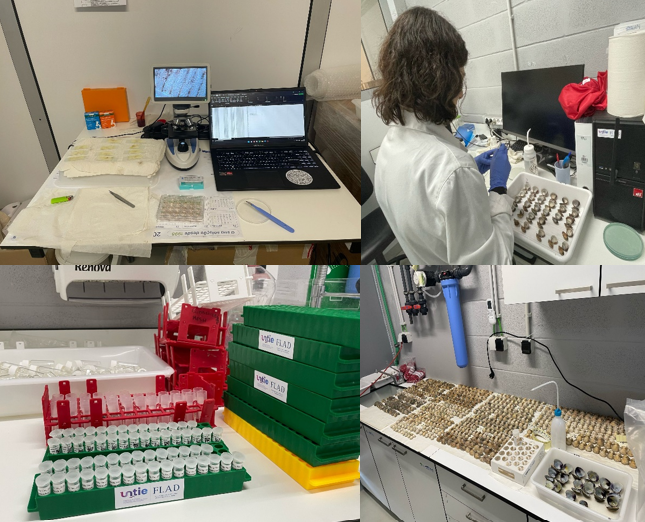
New color experiment with colaboration with Rafael Duarte
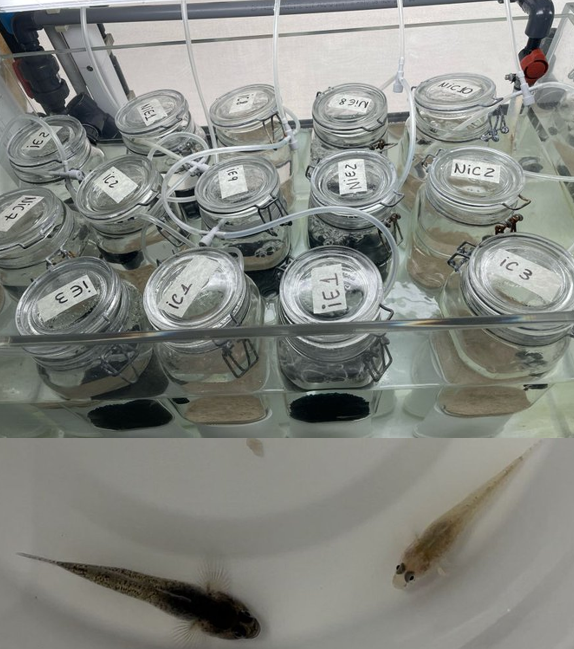
Over the past few weeks, we’ve had the privilege of teaming up with the “wizard of color” himself, @EcoColourCamo, to launch new experiment. Our goal? To unravel how parasitic infections might interfere with an animal’s ability to blend into its surroundings!
Preparation for new experiments! (Aveiro, Portugal)
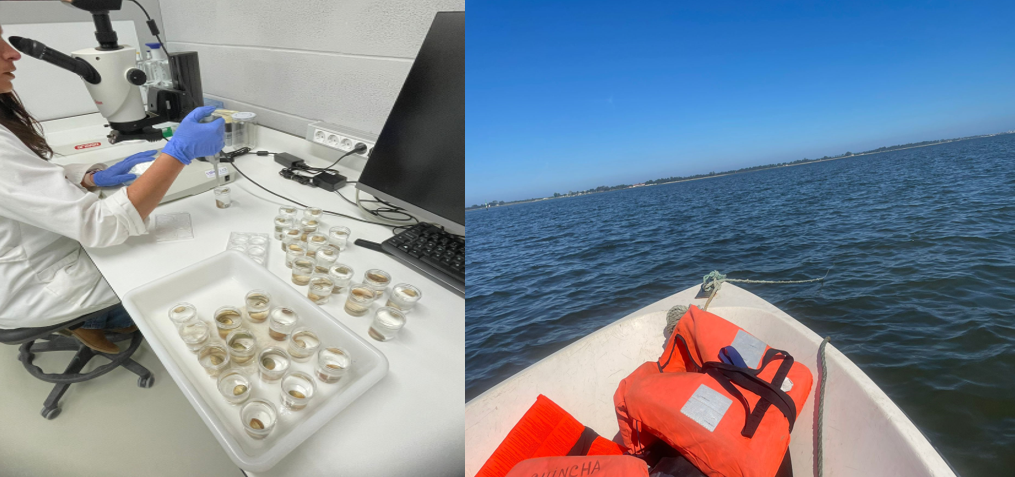
Recently, we have been deliberately introducing Mytilicola parasites into cockles as part of a new mesocosm experiment to study their interactions under controlled conditions. Additionally, we conducted a boat trip to a location known for a high prevalence of trematodes in the sporocyst stage, which are infecting cockles. The purpose was to collect samples and facilitate the infection of our gobies with metacercariae, the encysted larval stage of the trematodes, to investigate parasite transmission dynamics.
Mesocosms system is cycling! (Aveiro, Portugal)
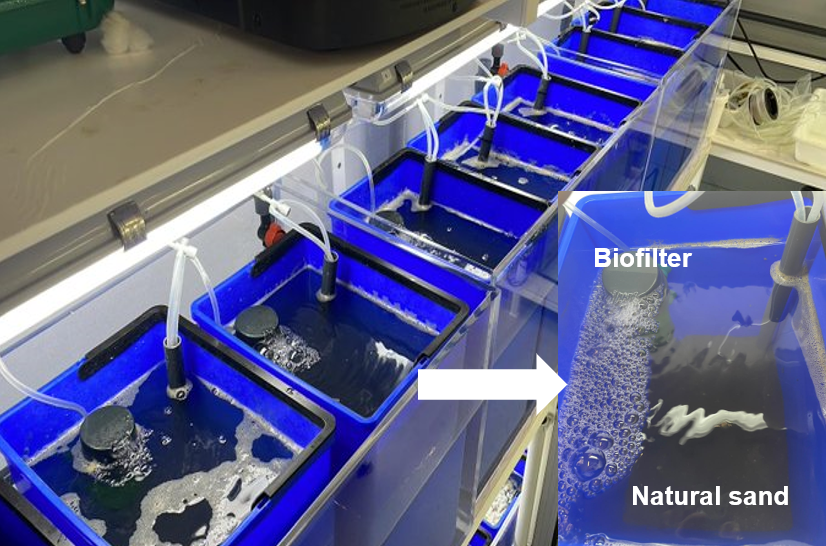
Our mesocosm system is now operational. We are using sediment collected directly from the field combined with biofilters to maintain high water quality for our cockles. This setup creates a stable and naturalistic environment that closely replicates the cockles’ native habitat, which is essential for producing reliable and ecologically meaningful results.
By incorporating natural sediment, we preserve native microbial communities and sediment characteristics critical for nutrient cycling processes. The biofilters effectively control nitrogenous waste and maintain balanced water quality throughout the experiment. This controlled yet realistic system allows us to closely monitor the physiological responses, behavior, and health of cockles under parasite exposure.
We are preparing to begin an experiment that will investigate the effects of parasites on cockle populations, focusing on how infection influences their physiology, behavior, and nutrient cycling within the mesocosm environment. This research will enhance our understanding of host-parasite interactions and their broader ecological consequences, providing valuable insights for the conservation and management of cockle populations in natural ecosystems. We look forward to sharing updates as the experiment progresses.
New color experiment with gobies done! (Aveiro, Portugal)
We are initiating another experiment focused on camouflage in gobies, conducted in collaboration with Rafael Duarte. This study aims to deepen our understanding of how parasites influence the coloration and camouflage strategies of gobies, which play a critical role in their survival and predator avoidance. We greatly appreciate this collaborative effort and look forward to uncovering new insights into the complex interactions between parasite infection and visual ecology in these fish.
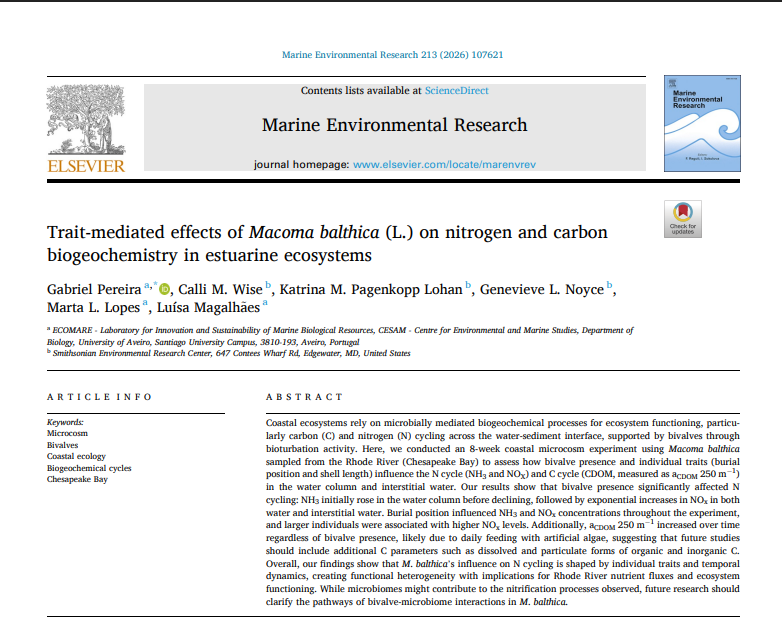
First publication of the UNTIE project (Portugal and USA)
Proud to share the first publication from the UNTIE project — and an important international collaboration between Europe and the USA, including partners from Smithsonian Environmental Research Center (SERC).
The paper, “Trait-mediated effects of Macoma balthica on nitrogen and carbon biogeochemistry in estuarine ecosystems”, investigates how bivalve traits shape carbon and nitrogen cycling in estuarine sediments, emphasizing the importance of organism–microbe interactions for ecosystem functioning.
Published in Marine Environmental Research, this work represents a major collaborative effort involving researchers from Portugal and the United States. Congratulations to all authors and institutions involved in this first scientific output of UNTIE! Check here: https://doi.org/10.1016/j.marenvres.2025.107621